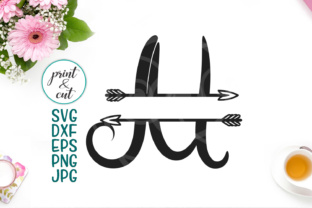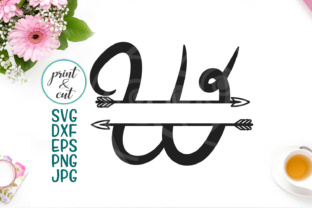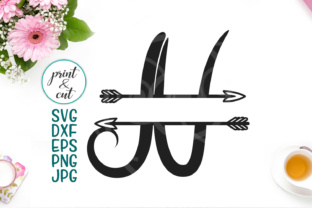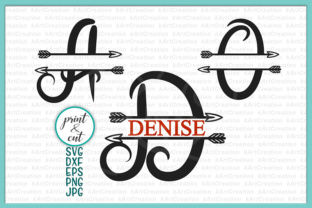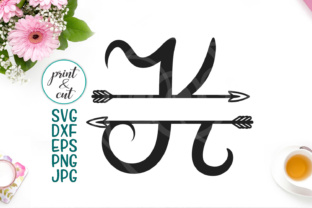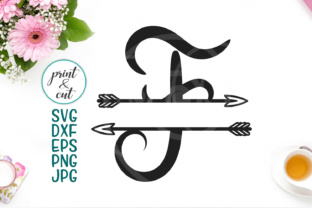
Split Monogram Font F – A Versatile Design Tool for Creators
The Split Monogram Font F is a unique typeface designed to add a personalized touch to various creative projects. Its elegant and modern design makes it ideal for monogramming, branding, and custom graphics. Whether you're creating t-shirts, signage, or digital art, this font offers flexibility and style that can elevate your work. With multiple file formats included—SVG, DXF, EPS, PNG, and JPG—it’s suitable for both digital and physical applications.
Why Split Monogram Font F Stands Out
Unlike standard fonts, the Split Monogram Font F is specifically crafted for monogram designs, allowing for a clean and balanced look when combining letters. The “F” in the name represents the letter itself, which is often used as a focal point in monograms. This font is particularly useful for those who want to create custom designs without the need for complex graphic editing. Its scalability ensures that it maintains high quality at any size, making it perfect for everything from small labels to large banners.
One of the key advantages of this font is its compatibility with various software programs. The SVG and DXF formats are ideal for cutting machines like Cricut or Silhouette, while the EPS format works well with Adobe Illustrator. The PNG and JPG files offer versatility for digital use, such as social media graphics or print materials. This wide range of formats makes it easy to integrate into different workflows.
Common Mistakes When Using Split Monogram Font F
Despite its benefits, some users may encounter issues when working with the Split Monogram Font F. One common mistake is not checking the file formats before downloading. For example, if you’re using a cutting machine, you’ll need the SVG or DXF format, not the PNG or JPG. Choosing the wrong format can lead to poor results or wasted time trying to convert files.
Another frequent error is overlooking the transparency of the PNG files. While these files are great for overlays and clipart, they don’t include backgrounds. If you’re planning to use them on a colored surface, you’ll need to adjust the design accordingly. Some users might assume that the background is included, leading to unexpected outcomes when printing or applying heat transfer materials.
How to Avoid These Issues
To avoid these problems, take the time to review the file types provided with the Split Monogram Font F. Make sure you understand which format suits your specific project. If you're unsure, consider reaching out to the seller or designer for clarification. Many creators offer support or detailed descriptions to help users make informed choices.
Additionally, test the files before using them in a final project. For instance, if you’re planning to use the PNG files for a heat transfer, print a small sample to check how it looks on the intended material. This step can save time and money by catching any issues early on.
Best Practices for Using Split Monogram Font F
When working with the Split Monogram Font F, it’s important to plan your design carefully. Start by determining the purpose of your project. Are you creating a monogram for a t-shirt, a logo for a business, or an artwork for a gallery? Each application may require different adjustments to the font, such as spacing, size, or alignment.
For example, if you’re designing a t-shirt, you might want to adjust the font to fit within a specific area. The Scalable Vector Graphics (SVG) format allows for precise resizing without losing quality, making it easier to fit the design into your layout. On the other hand, if you’re using the EPS file in Adobe Illustrator, ensure that your software supports vector graphics to maintain clarity.
What to Check Before Making a Decision
Before purchasing or downloading the Split Monogram Font F, verify that it meets your needs. Check the file types available, the resolution of the images, and the compatibility with your software. Some fonts may have restrictions on commercial use, so it’s essential to read the license agreement carefully.
Also, consider the quality of the design. While the font may look good on a screen, it’s important to see how it appears in print or on different surfaces. High-resolution PNG and JPG files are ideal for printing, but they should be tested to ensure they meet your standards. If you’re using the files for heat transfer, confirm that the design is suitable for the material you’re working with.
Realistic Examples and Better Approaches
Imagine you’re a small business owner looking to create custom t-shirts for your brand. You choose the Split Monogram Font F because of its stylish design and versatility. However, you download the PNG file without realizing that it doesn’t include a background. When you apply the heat transfer, the design looks incomplete. To fix this, you could either add a background in your design software or choose a different file type that includes the necessary elements.
Another scenario involves a designer who uses the DXF format for a laser cutting project. They notice that the design doesn’t align properly with their machine. After checking the file settings, they realize that the units were set incorrectly. By adjusting the units to match their machine’s requirements, they achieve a better result. This highlights the importance of understanding file properties and software settings.