Distressed Font: A Bold Choice for Creative Projects
When it comes to typography, the right font can make all the difference. Distressed Font is a unique typeface that adds character and texture to any design. Whether you're working on a logo, a poster, or a digital project, this font offers a rugged, worn look that can elevate your work. But with so many options available, it's easy to make mistakes when choosing and using Distressed Font. Understanding what it is and how to use it effectively can save you time, money, and frustration.
What Is Distressed Font?
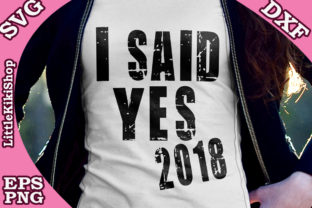
Distressed Font is a stylized typeface designed to mimic the appearance of aged or weathered text. It often features irregular edges, cracks, and other imperfections that give it a vintage or industrial feel. This font is popular among designers, artists, and marketers who want to convey a sense of authenticity, nostalgia, or rebellion in their work.
Many people are drawn to Distressed Font because it stands out from traditional fonts. Its unique aesthetic can add visual interest to a design, making it ideal for branding, packaging, and promotional materials. However, not everyone understands the nuances of this font, which can lead to misuses and poor results.
Common Mistakes When Using Distressed Font
One of the most common mistakes when working with Distressed Font is overusing it. While this font can be eye-catching, using it excessively can make your design look cluttered and unprofessional. For example, if you apply Distressed Font to an entire website or document, it may become difficult to read and lose its impact.
Another mistake is not considering the context in which the font will be used. Distressed Font may not be suitable for all projects. If you're designing something that requires a clean, modern look, this font could clash with the overall style. Always think about the message you want to convey and whether Distressed Font aligns with that vision.
Ignoring File Formats and Compatibility
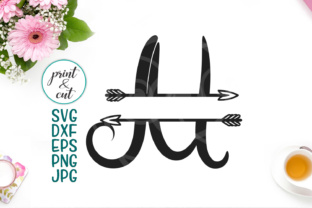
When downloading Distressed Font, you might come across packages that include 35 EPS files, 35 PNG files, 35 SVG files, and 35 DXF files. These file formats serve different purposes, and understanding them can help you make the most of your download. For instance, EPS files are ideal for vector graphics, while PNG files are best for web use. SVG files offer scalability, making them perfect for responsive designs. DXF files are commonly used in CAD software.
Many users overlook the importance of file compatibility, leading to issues when integrating the font into their projects. Before downloading, ensure that the file formats provided match your needs. If you're unsure about which format to choose, consider consulting with a designer or researching the specific requirements of your project.
How to Avoid Common Pitfalls
To avoid mistakes when using Distressed Font, start by experimenting with different applications. Test the font in small projects before applying it to larger ones. This allows you to see how it looks in various contexts and adjust your approach accordingly.
Additionally, take the time to learn about the font's characteristics. Some versions of Distressed Font may have limited characters or special features that require additional attention. Reading the documentation or reaching out to the font's creator can provide valuable insights and help you use the font more effectively.
Choosing the Right Version for Your Needs
Not all Distressed Fonts are created equal. Some may be free, while others require a purchase. Before committing to a version, evaluate its quality, versatility, and licensing terms. Free fonts can be a great option for personal projects, but they may lack the customization and support offered by paid versions.
Consider the purpose of your project when selecting a Distressed Font. If you're creating a professional logo, investing in a high-quality font may be worth the cost. On the other hand, for a casual blog post or social media graphic, a free alternative could suffice.
Key Considerations Before Using Distressed Font
Before incorporating Distressed Font into your work, ask yourself a few important questions. Does this font enhance the message I want to communicate? Will it be readable in the intended format? Is it compatible with my design tools? Answering these questions can help you make informed decisions and avoid potential issues.
Also, consider the audience you're targeting. If your audience prefers a more polished look, Distressed Font may not be the best choice. However, if your audience appreciates a raw, authentic style, this font could be a powerful tool in your design arsenal.
Realistic Examples and Better Approaches
Imagine you're designing a poster for a music festival. Using Distressed Font could add a rebellious edge that resonates with your target audience. However, if you're creating a brochure for a luxury brand, this font might undermine the sophistication you're trying to achieve. In this case, a more refined font would be a better fit.
Another example is when working on a website. Applying Distressed Font to headings can create visual interest, but using it for body text could reduce readability. Instead, pair it with a clean, legible font to maintain balance and clarity.
Final Thoughts on Distressed Font
Distressed Font can be a valuable addition to your design toolkit when used correctly. By understanding its characteristics, avoiding common mistakes, and considering your project's requirements, you can harness its unique appeal without compromising quality or usability. Whether you're a beginner or an experienced designer, taking the time to explore and experiment with this font can lead to more effective and satisfying results.
Remember, the goal is to enhance your work, not overshadow it. With careful consideration and practical application, Distressed Font can become a powerful asset in your creative journey.