Polka Dot Font: A Versatile Design Element for Digital and Physical Projects
The Polka Dot Font is more than just a visual style—it's a design language that brings energy, playfulness, and structure to a wide range of creative and professional applications. Whether you're a graphic designer, a business owner, or an educator, understanding the versatility of this font can open up new possibilities for your work. With its clean lines and consistent pattern, the Polka Dot Font offers a unique way to communicate ideas while maintaining aesthetic appeal.
One of the key aspects of the Polka Dot Font is its adaptability. It works well in both digital and print formats, making it a valuable tool for designers who need consistency across multiple platforms. The font’s simplicity allows it to blend seamlessly with other design elements, whether you're creating a logo, a website layout, or a marketing brochure. Its clarity ensures that even in small sizes, the font remains legible and impactful.
Understanding the Components of the Polka Dot Font Package
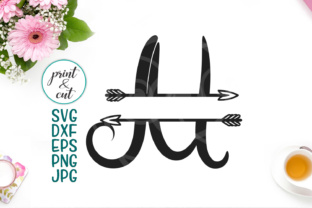
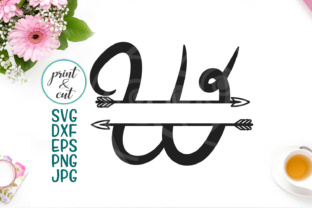
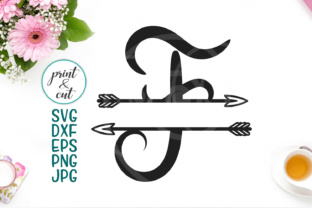
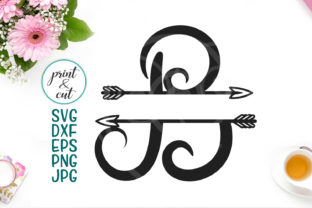
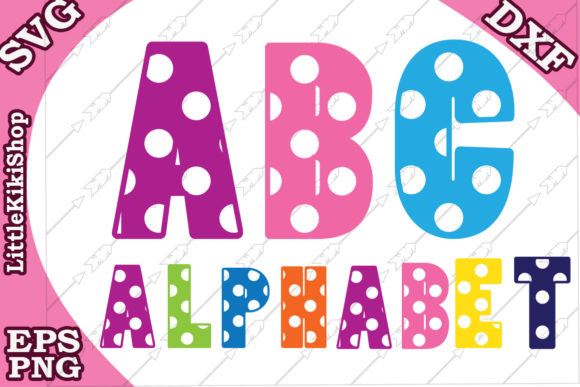
The download includes 26 EPS files, 26 PNG files, 26 SVG files, and 26 DXF files, each offering different advantages depending on the project requirements. EPS (Encapsulated PostScript) files are ideal for high-quality vector graphics, especially when working with professional printing or large-scale design projects. PNG files provide transparent backgrounds, which is essential for web design and digital illustrations where the background needs to be flexible.
SVG (Scalable Vector Graphics) files are particularly useful for web development, as they maintain clarity at any size and are compatible with most modern browsers. This makes them perfect for responsive design and interactive elements. DXF (Drawing Exchange Format) files are commonly used in CAD (Computer-Aided Design) software, making them a valuable resource for architects, engineers, and product designers who need precise and scalable drawings.
Each file type in the Polka Dot Font package serves a specific purpose, allowing users to choose the most appropriate format for their needs. This level of flexibility ensures that the font can be integrated into a wide variety of workflows, from simple graphic design tasks to complex engineering projects.
Practical Applications of the Polka Dot Font
The Polka Dot Font is widely used in branding and identity design. Its distinct pattern can help differentiate a brand from competitors while maintaining a sense of professionalism. For example, a children's toy company might use the font in its logo to convey a playful and approachable image. Similarly, a tech startup could incorporate the font into its website to create a balance between innovation and creativity.
In the realm of education, the Polka Dot Font can be used to make learning materials more engaging. Teachers and educators often use visually appealing fonts to capture students' attention and enhance readability. The font’s structured yet dynamic appearance can be particularly effective in creating worksheets, flashcards, and presentation slides that are both informative and easy on the eyes.
Another area where the Polka Dot Font shines is in packaging design. From food products to consumer electronics, the font can add a touch of uniqueness that sets a product apart on the shelf. Its ability to maintain clarity at different sizes makes it suitable for both large and small packaging elements, ensuring that the brand message remains consistent across all touchpoints.
Benefits of Using the Polka Dot Font
One of the main benefits of the Polka Dot Font is its ability to enhance visual hierarchy. By using the font in specific areas of a design, such as headings or call-out sections, designers can guide the viewer’s attention and improve the overall flow of information. This is especially useful in environments where quick comprehension is critical, such as in advertising or user interface design.
The font also offers a sense of rhythm and balance. The repetition of dots creates a subtle pattern that can add depth and dimension to a design without overwhelming the viewer. This makes it an excellent choice for minimalist designs that rely on negative space and careful composition to convey meaning.
Additionally, the Polka Dot Font is highly customizable. Users can adjust the size, spacing, and color of the dots to fit their specific design needs. This level of control allows for greater creative freedom, enabling designers to experiment with different styles and effects while maintaining the integrity of the original font.
Considerations When Working with the Polka Dot Font
While the Polka Dot Font is versatile, it’s important to consider the context in which it will be used. In some cases, the font may not be suitable for formal or high-end designs where a more traditional typeface might be preferred. However, with thoughtful application, the font can still be adapted to fit a wide range of styles and purposes.
Another consideration is the technical requirements of the file formats included in the download. For instance, using EPS files may require specialized software, while SVG files are more accessible for web developers. Understanding these differences can help users make informed decisions about which file types to use for their projects.
Finally, it’s worth noting that the Polka Dot Font should be used strategically. Overusing the font or applying it inappropriately can lead to visual clutter and reduce its effectiveness. Instead, focus on using it in ways that enhance the overall design rather than distract from it.
By leveraging the strengths of the Polka Dot Font and being mindful of its limitations, users can create designs that are both functional and aesthetically pleasing. Whether you're a seasoned designer or a beginner exploring the world of typography, the Polka Dot Font offers a unique opportunity to express creativity while maintaining clarity and impact.