Dream Orphans: A Humanist Sans Serif with Character
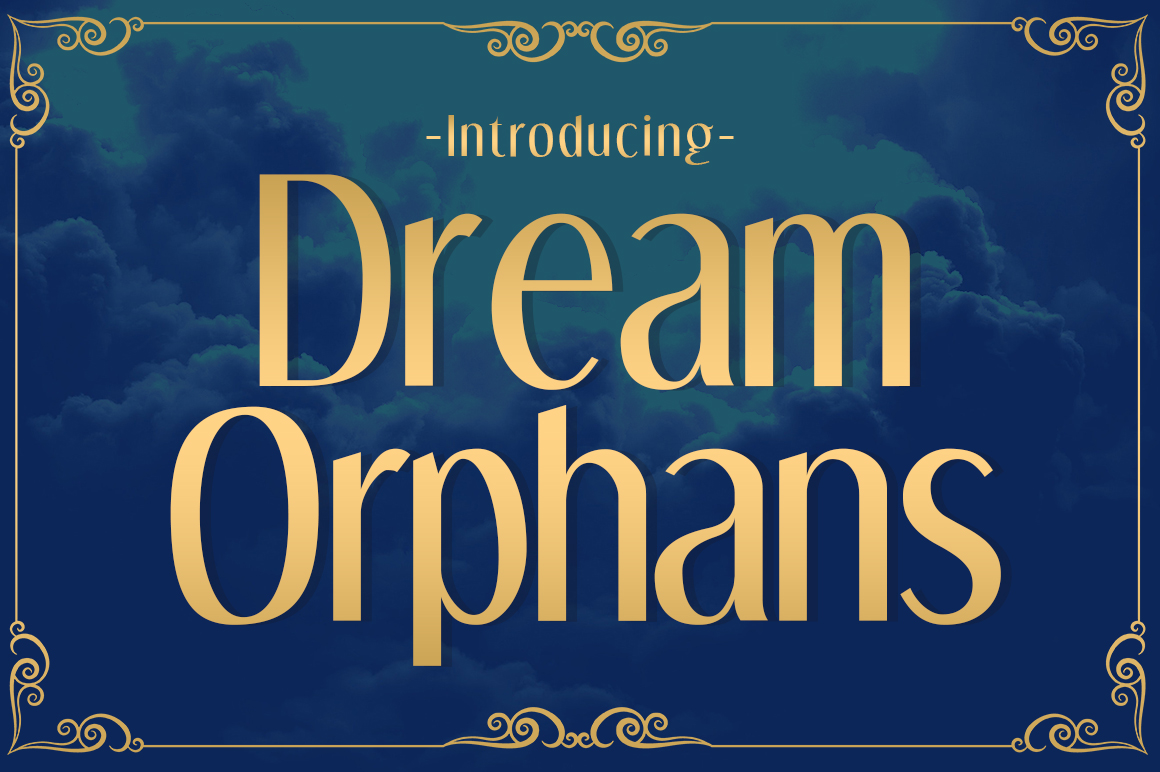
Dream Orphans is more than just a font—it’s a design statement. This condensed, humanist sans serif display font brings a unique blend of charm and sophistication to any project. Its quaggy curves and subtle imperfections give it a handcrafted feel that feels both modern and nostalgic. Whether you're working on a book cover, a brand identity, or a digital interface, Dream Orphans can add a touch of personality that sets your work apart.
One of the most striking features of Dream Orphans is its humanist influence. Unlike the rigid, geometric sans serifs that dominate many design projects, Dream Orphans embraces the natural flow of letterforms. The slight variations in stroke weight and the soft, rounded edges create a sense of warmth and approachability. This makes it particularly well-suited for projects that aim to convey a sense of storytelling or emotional connection.
The Appeal of Quaggy Curves
The term “quaggy” might not be one you hear often, but it perfectly describes the unique curves found in Dream Orphans. These curves are neither too sharp nor too soft—they strike a balance that feels organic and inviting. This characteristic gives the font a distinctive visual rhythm, making it ideal for headings, logos, and other prominent text elements where readability and style are equally important.
When used effectively, the quaggy curves of Dream Orphans can enhance the legibility of text while also adding a layer of visual interest. For example, in a magazine layout, using Dream Orphans for subheadings can draw attention without overwhelming the reader. The font’s condensed nature also allows for more text to fit into a limited space, making it a practical choice for designs that require both aesthetics and efficiency.
Classic and Literary Aesthetic
Dream Orphans carries a classic and literary appeal that resonates with designers looking for a font that feels timeless. Its structure evokes the elegance of old-fashioned typography, yet it remains adaptable to contemporary design trends. This duality makes it a versatile choice for a wide range of applications, from editorial design to branding and packaging.
For instance, in a publishing context, Dream Orphans could be used to set the tone for a collection of short stories or a poetry anthology. Its refined appearance adds a layer of sophistication that complements the content without overshadowing it. Similarly, in a retail environment, the font could be used on product labels or signage to evoke a sense of craftsmanship and heritage.
Practical Benefits for Modern Workflows
In today’s fast-paced design world, practicality is just as important as aesthetics. Dream Orphans excels in this regard by offering a balance between visual impact and usability. Its condensed form means it can fit more text into smaller spaces, which is especially useful in digital interfaces, mobile apps, or social media graphics where space is at a premium.
Additionally, the font’s readability at smaller sizes makes it suitable for a variety of use cases. While it shines as a display font, it can also be used in body text when paired with appropriate line spacing and font size. This flexibility allows designers to maintain a cohesive visual language across different elements of a project.
Applications Across Industries
Dream Orphans isn’t limited to a single industry or design discipline. Its versatility allows it to be used in a wide range of contexts, from fashion and lifestyle branding to technology and education. In the fashion world, for example, the font could be used on a brand’s website or packaging to communicate a sense of refinement and creativity.
In the tech sector, Dream Orphans could be employed in user interface design to add a human touch to otherwise sterile digital environments. Its warm, approachable look can help bridge the gap between technology and emotion, making it a valuable tool for UX designers looking to create more engaging experiences.
Recommendations for Effective Use
To get the most out of Dream Orphans, consider how it fits into the overall design language of your project. Pairing it with complementary typefaces can help maintain balance and clarity. For example, using a clean, modern sans serif for body text while reserving Dream Orphans for headings or accents can create a dynamic contrast that enhances readability and visual interest.
It’s also important to experiment with different weights and styles to find the right tone for your message. Some versions of Dream Orphans may have more pronounced curves or variations in stroke thickness, so testing the font in various contexts will help you determine the best application for your needs.
Finally, keep in mind that while Dream Orphans is a strong display font, it works best when used intentionally. Overusing it can dilute its impact and make your design feel cluttered. Instead, use it strategically to highlight key elements and add character to your work.
Conclusion
Dream Orphans offers a unique combination of charm, readability, and versatility that makes it a compelling choice for designers across multiple disciplines. Its quaggy curves and humanist influences give it a distinct personality that can elevate the visual appeal of any project. Whether you’re working on a print or digital design, Dream Orphans has the potential to add a touch of class and creativity that stands out in a crowded design landscape.