Fake Receipt: A Retro Font for Nostalgic Design
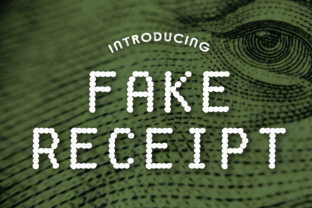
Fake Receipt is a unique bitmap font that captures the essence of late 20th-century cash register prints. Created by Typodermic, this font offers a lo-fi aesthetic that can add character to various design projects. Its distinct look makes it ideal for retro-themed work, such as vintage posters, packaging, or digital media that aims to evoke a sense of nostalgia.
Unlike modern fonts that prioritize clarity and readability, Fake Receipt embraces imperfections. The font mimics the dot-matrix style of old printers, giving it a raw, unpolished feel. This characteristic sets it apart from other fonts that may aim for a more polished or professional appearance.
What Makes Fake Receipt Unique?
The visual appeal of Fake Receipt lies in its simplicity and authenticity. Each character is designed to resemble the output of a basic printer, complete with slight misalignments and pixelated edges. This design choice makes it particularly effective for projects that require a vintage or handmade touch.
One of the key features of Fake Receipt is its availability as a free font. This accessibility allows designers and creators to experiment with its style without financial barriers. It’s especially useful for personal projects, small businesses, or creative individuals looking to add a retro flair to their work.
While some fonts may offer a wide range of weights or styles, Fake Receipt focuses on a single, consistent look. This limitation can be both a strength and a constraint, depending on the project's needs. For designs that benefit from a cohesive, nostalgic theme, the uniformity of Fake Receipt can be an asset.
Comparing Fake Receipt with Similar Fonts
When considering alternatives to Fake Receipt, it’s important to understand how it stacks up against other fonts that aim for a similar aesthetic. Fonts like Press Start 2P or Courier New also have a retro feel, but they differ in their approach and application.
Press Start 2P is another popular font with a pixelated style, often used in video game design. While it shares some similarities with Fake Receipt, it has a more stylized, gaming-oriented look. This makes it better suited for projects targeting a younger audience or those with a strong gaming influence.
Courier New, on the other hand, is a monospaced font that has been widely used in typewriters and early computers. It offers a clean, functional look that is more readable than Fake Receipt. However, it lacks the same level of retro charm and imperfection that defines Fake Receipt.
For users seeking a balance between retro aesthetics and readability, other fonts might be more appropriate. However, if the goal is to create a strong visual connection to the past, Fake Receipt provides a distinctive option that few others can match.
Best Use Cases for Fake Receipt
Fake Receipt excels in situations where a retro or vintage atmosphere is desired. It can be particularly effective in branding for businesses that want to convey a sense of history or authenticity. For example, a coffee shop aiming to evoke the feel of a 1970s diner might use Fake Receipt for signage or menu designs.
Another common use case is in digital art and graphic design. Artists and designers who want to incorporate a nostalgic element into their work can use Fake Receipt to create textures or backgrounds that mimic old paper receipts or printed materials. This can add depth and character to visual compositions.
In web design, Fake Receipt can be used for headings or logos that require a playful or unconventional look. However, it’s important to consider the context and audience. While it may resonate well with certain demographics, it might not be suitable for more formal or professional websites.
Limitations and Tradeoffs
Despite its strengths, Fake Receipt has several limitations that users should be aware of. One major drawback is its limited scalability. Because it is a bitmap font, it may appear blurry or distorted when resized beyond a certain point. This makes it less ideal for large-scale print projects or high-resolution displays.
Additionally, the font’s low resolution can make it difficult to read in smaller sizes. This means that it’s best suited for larger text elements rather than body copy or detailed information. Users should test the font at different sizes to ensure it meets their needs.
Another consideration is the font’s lack of advanced typographic features. Unlike many modern fonts, Fake Receipt does not support ligatures, alternate characters, or complex language support. This can limit its versatility in multilingual or technical contexts.
When to Choose Fake Receipt
Fake Receipt is the right choice when the goal is to create a strong visual connection to the past. It works well for projects that benefit from a raw, unpolished look and a sense of authenticity. For instance, a music festival promoting a 1980s-themed event could use Fake Receipt to create promotional materials that reflect the era’s aesthetic.
If the design requires a playful or whimsical tone, Fake Receipt can be an excellent fit. It adds a layer of personality that more conventional fonts may not provide. This makes it particularly useful for creative projects, such as album covers, zines, or independent publications.
However, if the project demands clarity, professionalism, or high-quality typography, alternative fonts may be more appropriate. In these cases, it’s worth exploring options that offer greater flexibility and readability while still maintaining a retro vibe.
Exploring Alternatives
For users who find that Fake Receipt doesn’t fully meet their needs, there are several alternatives worth considering. Fonts like Old English Text MT or Brush Script MT offer different retro styles that may be more suitable for specific applications.
Old English Text MT is a serif font that evokes a medieval or historical feel. It’s often used in logos, book titles, or decorative elements where a traditional look is desired. While it doesn’t have the same machine-printed quality as Fake Receipt, it offers a different kind of vintage appeal.
Brush Script MT is a cursive font that mimics handwritten script. It’s ideal for projects that require a more organic, artistic touch. This font can be a good alternative for designs that need a softer, more expressive look compared to the mechanical feel of Fake Receipt.
Ultimately, the choice of font depends on the project’s goals, audience, and overall design direction. Testing multiple options and considering the context in which the font will be used can help ensure the best results.