Frizton: A Rustic, Textured Font for Creative Workflows
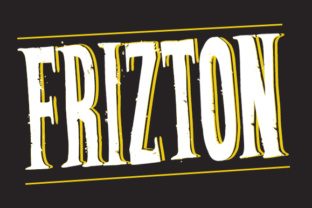
Frizton is a distinctive, all-caps font that brings a sense of texture and rustic charm to any design project. Created by Sander Legrand, a designer based in Antwerp, this free typeface has quickly become a favorite among creatives looking for a unique visual identity. Its raw, handcrafted aesthetic makes it ideal for branding, display work, and projects that benefit from a more organic feel.
Whether you're working on a logo, a poster, or a digital campaign, Frizton can serve as a powerful tool in your design process. Its bold, textured appearance adds depth and character, making it stand out in both print and screen formats. But how does it fit into the broader workflow of a designer, marketer, or business owner? Let's explore its practical applications and integration into real-world projects.
Understanding Frizton’s Role in Design and Branding
Frizton is not just a font—it's a design element that influences the tone and personality of a project. Its all-caps structure ensures clarity and impact, while the subtle texture gives it a handcrafted, artisanal quality. This makes it particularly effective for brands that want to convey authenticity, simplicity, or a connection to traditional craftsmanship.
In a branding context, Frizton can be used to create a strong visual hierarchy. For example, when designing a logo, using Frizton for the main text can help establish a memorable identity. It works well with other design elements like illustrations, patterns, or color schemes that emphasize a rustic or vintage theme.
For designers, integrating Frizton into their workflow means considering how it interacts with other tools and assets. If you're using graphic design software like Adobe Illustrator or Figma, you can easily apply Frizton to text layers, ensuring consistency across different project phases. This helps maintain a cohesive look throughout the design process.
Using Frizton in Different Project Phases
The versatility of Frizton allows it to be useful at various stages of a project. Whether you're planning, executing, or refining your work, this font can play a role in shaping the final outcome.
Before a project: When brainstorming ideas or sketching concepts, Frizton can help visualize the tone of the final product. For instance, if you're developing a brand identity for a new café or boutique, using Frizton in early mockups can give stakeholders a sense of the visual direction. It also serves as a reference point for selecting complementary design elements.
During a project: As you move into the execution phase, Frizton can be applied to key design elements such as headings, captions, or callout text. Its texture adds visual interest without overwhelming the composition. When paired with clean, modern fonts, it creates a balanced contrast that enhances readability and aesthetics.
After a project: Once a project is complete, Frizton can still be valuable for quality control and consistency checks. If you're reviewing a design for a client, ensuring that all text elements use the same font helps maintain professionalism. It also makes it easier to update or rebrand in the future, as the font remains a consistent part of your design language.
Integrating Frizton into Your Workflow
To make the most of Frizton, consider how it fits into your existing design systems and processes. Here are some practical tips for incorporating it smoothly:
- Define usage guidelines: Create a style guide that outlines where and how Frizton should be used. This ensures consistency across different projects and team members.
- Test compatibility: Before applying Frizton to a large-scale project, test it on different platforms and devices. Ensure that the texture and legibility remain intact across various formats.
- Pair with complementary fonts: Use Frizton alongside simpler, more neutral fonts to avoid visual clutter. This approach maintains clarity while allowing the texture of Frizton to shine through.
- Use it strategically: Avoid overusing Frizton in long paragraphs. Instead, reserve it for headlines, titles, or key messages where its visual impact will have the most effect.
For teams working on collaborative projects, sharing Frizton as a downloadable file or embedding it in design libraries can streamline the process. This ensures that everyone has access to the same version of the font, reducing errors and inconsistencies.
Frizton in Real-World Applications
Frizton's appeal lies in its ability to adapt to different creative contexts. Here are a few examples of how it can be used effectively:
- Branding and logos: Brands that emphasize craftsmanship, sustainability, or heritage often benefit from a font like Frizton. It reinforces the message of authenticity and timelessness.
- Print materials: Posters, business cards, and packaging can all leverage Frizton's texture to create a tactile, engaging experience. The font's boldness makes it suitable for eye-catching designs.
- Digital marketing: In social media graphics, email campaigns, or web banners, Frizton can add a unique touch that sets your content apart. Its all-caps format ensures readability even at smaller sizes.
- Personal projects: Hobbyists, bloggers, and independent creators can use Frizton to add a personal, artistic flair to their work. Whether it's a blog header or a handmade card, the font adds a layer of character.
Each of these applications highlights how Frizton can be integrated into different workflows. By understanding its strengths and limitations, you can tailor its use to fit your specific needs.
Long-Term Considerations and Best Practices
When using Frizton over an extended period, there are several factors to keep in mind. First, ensure that you're using the latest version of the font to take advantage of any updates or improvements. Regularly review your design assets to confirm that Frizton is being used consistently and appropriately.
Another consideration is accessibility. While Frizton's texture adds visual interest, it's important to ensure that it doesn't compromise readability. Test it against different background colors and layouts to see how it performs in various scenarios.
Finally, think about how Frizton aligns with your overall design strategy. Does it support your brand's message? Does it enhance the user experience? By answering these questions, you can make informed decisions about when and how to use the font in your work.
Frizton is more than just a font—it's a tool that can elevate your design process and contribute to a stronger, more cohesive visual identity. Whether you're a seasoned designer or a creative newcomer, incorporating Frizton into your workflow can add a unique, textured dimension to your projects.